
Nutrition education · Zinc & skin
Beautiful Skin Begins with Better Understanding.
Explore the science of zinc, discover nutrient-rich foods, and learn how this essential mineral contributes to normal skin health.
01 — The bigger picture
Skincare Is Only Part of the Picture.
01
Nutrition matters
Skin is living tissue. It relies on protein, vitamins and minerals delivered by everyday food.
02
Many factors
Genetics, hormones, sleep, stress, sun and skincare all shape how skin looks.
03
A common myth
“More zinc means better skin.” Not true — balance matters, and there is a safe upper limit.
04
Balance first
A varied diet with whole grains, legumes, seeds, nuts and — if you eat them — seafood, eggs and dairy covers most needs.
02 — Understanding zinc
One Essential Mineral. Many Important Functions.
Zinc is a trace element involved in the activity of hundreds of enzymes. The body cannot produce it and has no real reserve, so it needs to come from food every day.
Normal skin
Zinc contributes to the maintenance of normal skin.
Immune system
Zinc contributes to the normal function of the immune system.
Cell protection
Zinc contributes to the protection of cells from oxidative stress.
Authorised EU health claims (Regulation (EU) No 432/2012). Effects relate to an adequate intake as part of a varied diet.
03 — Knowing the difference
What Happens When Zinc Intake Falls Short?
Low dietary intake
Eating less zinc than recommended
Common and often temporary — for example with very restrictive or poorly planned plant-based diets. Usually addressed through food choices.
Zinc deficiency
A medical diagnosis
Diagnosed by a doctor using your history, symptoms and lab tests. It cannot be identified by looking at your skin.
Possible risk factors
- Vegan or vegetarian diets high in phytates
- Pregnancy and breastfeeding
- Digestive conditions affecting absorption
- High alcohol intake
- Older age with low food intake
Possible consequences
A diagnosed deficiency may be associated with impaired wound healing, changes in taste, hair loss and reduced immune defence. These signs have many other causes too.
When to seek advice
If you belong to a risk group, have persistent symptoms, or consider supplements, speak with a doctor, dietitian or pharmacist. Blemishes alone are not a sign of deficiency.
04 — Food explorer
Discover Zinc on Your Plate.
Tap a food to see how much zinc a typical serving provides.
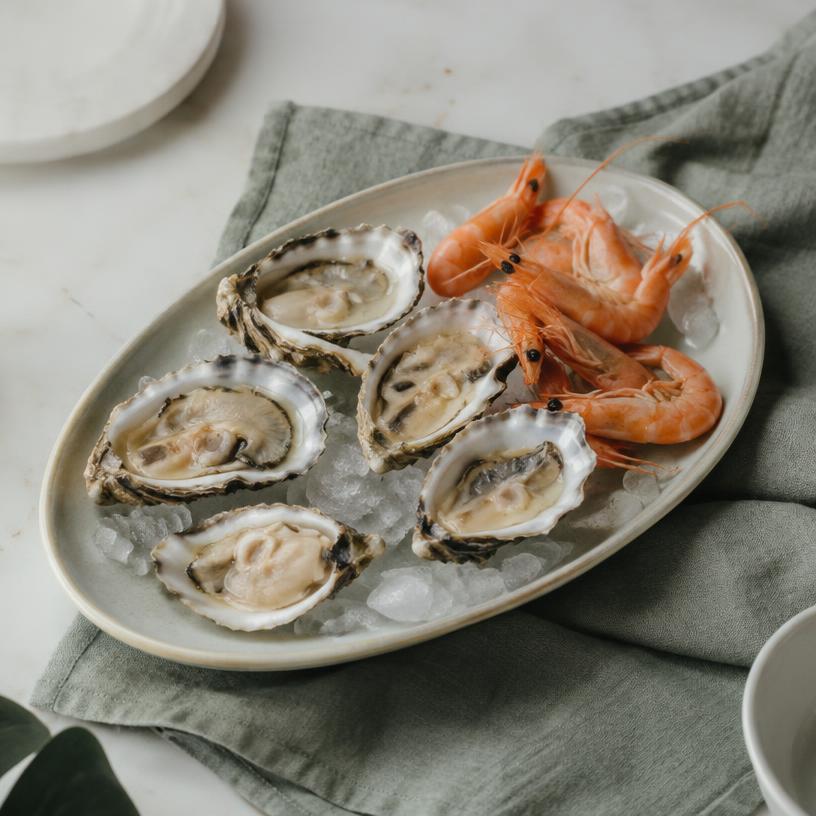
Seafood
Oysters
14.1 mg
per 6 medium (≈ 85 g)
≈ 141% of the EU reference intake (10 mg) · 16.6 mg per 100 g
Pacific oysters, raw. One of the most concentrated food sources of zinc.
Source: USDA FoodData Central. Values vary by variety and preparation. Zinc from plant foods is generally less well absorbed than from animal foods.
05 — Everyday nutrition
Small Food Choices. Meaningful Nutrition.
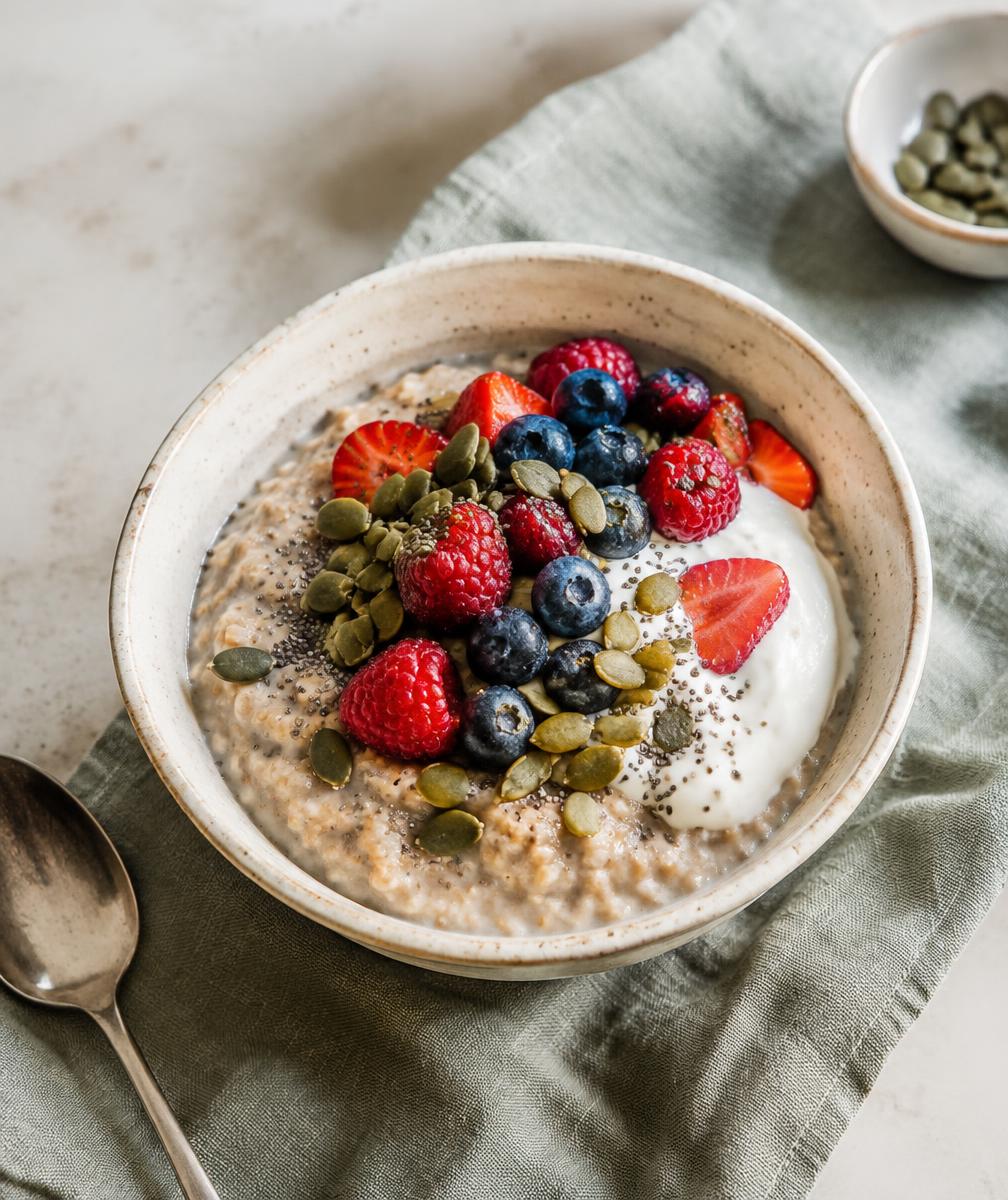
Seeded morning oats
≈ 3.5 mg50 g oats, 20 g pumpkin seeds, yogurt and berries. Soak overnight for a creamier bowl.
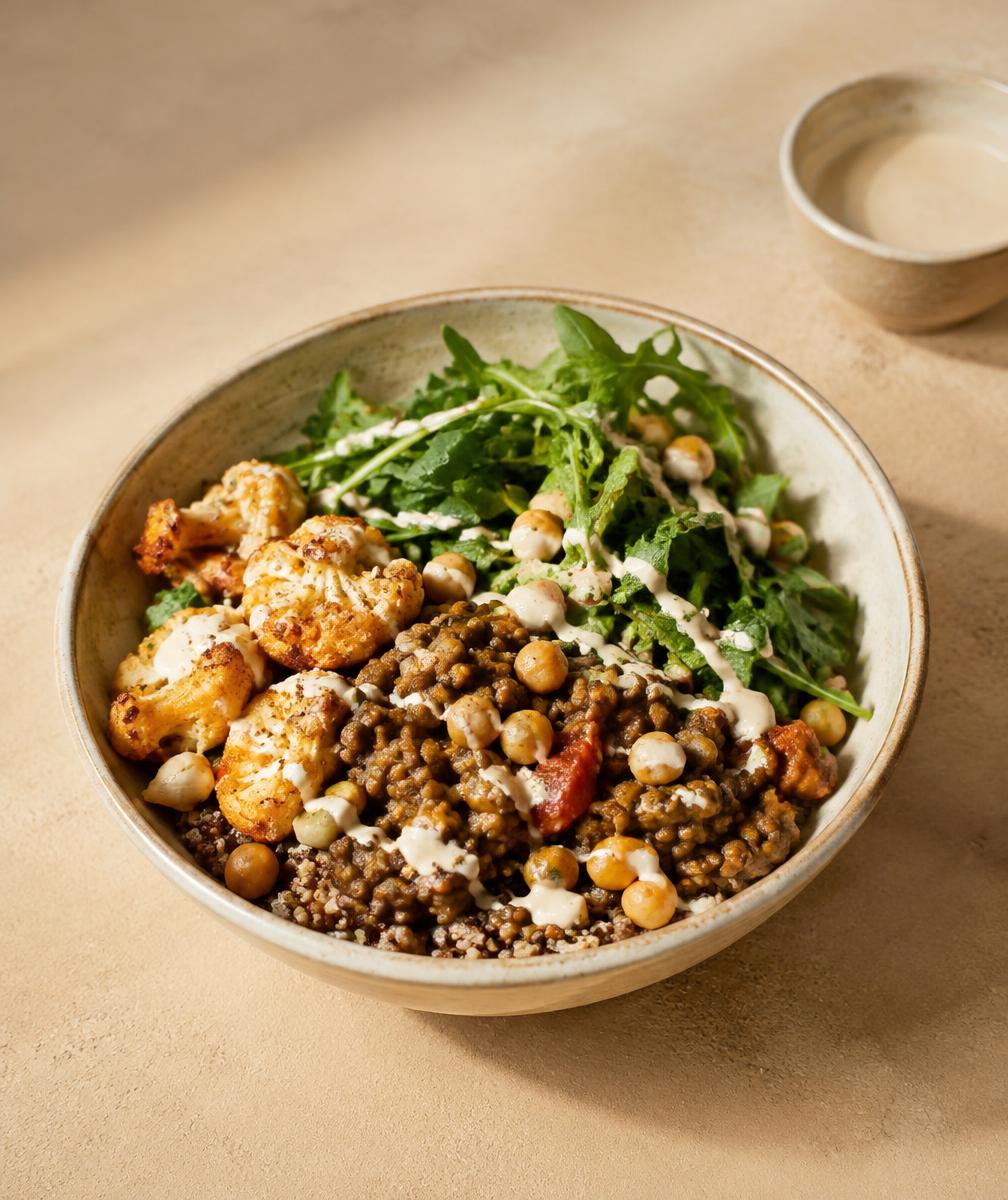
Lentil & chickpea bowl
≈ 4 mgCooked lentils and chickpeas, roasted cauliflower, greens and a spoon of tahini.
Seafood starter
≈ 14 mgSix oysters with lemon — an occasional treat that covers more than a day's reference intake.
06 — A balanced view
Food First. Supplements When Appropriate.
For most healthy adults, a varied diet provides enough zinc. Supplements can make sense for specific needs — ideally after professional advice.
Food
Supplements
Comes with protein, fibre and other nutrients
Provide a defined, measurable amount
Sufficient for most people eating a varied diet
May be considered for risk groups or diagnosed needs
Very low risk of excess
Count toward the 25 mg/day EU upper limit for adults
Safety: long-term high zinc intake can reduce copper absorption. Zinc can interact with certain antibiotics and medicines. Don't exceed the recommended dose, and ask a pharmacist if you take medication.
07 — Test yourself
How Well Do You Know Zinc?
Five quick questions. No personal or health data collected.
Can the human body store large reserves of zinc?
 Free PDF · 11 pages
Free download
Good Nutrition Starts with Good Information.
The Zincology Guide to Zinc-Rich Eating
7 days of simple, zinc-rich meals — a flexible inspiration, not a prescribed diet.
21
recipes
7
themed days
1
shopping list
- — Breakfast, lunch & dinner ideas, from seeded oats to lentil bowls
- — Plant-based and mixed options, with make-ahead tips
- — Practical tips on absorption, variety and food safety
By subscribing you'll also receive the Zincology newsletter, which may include future product news and promotional offers. Unsubscribe anytime with one click.
Questions
Frequently Asked
Editorial transparency
Zincology content is written for general education and based on publicly available scientific and regulatory sources. Health statements are limited to authorised EU claims. We do not use testimonials or invented statistics. Last reviewed: November 2026.